
Farm and Rural Land: Opportunities to Go Commercial Within 10 Years
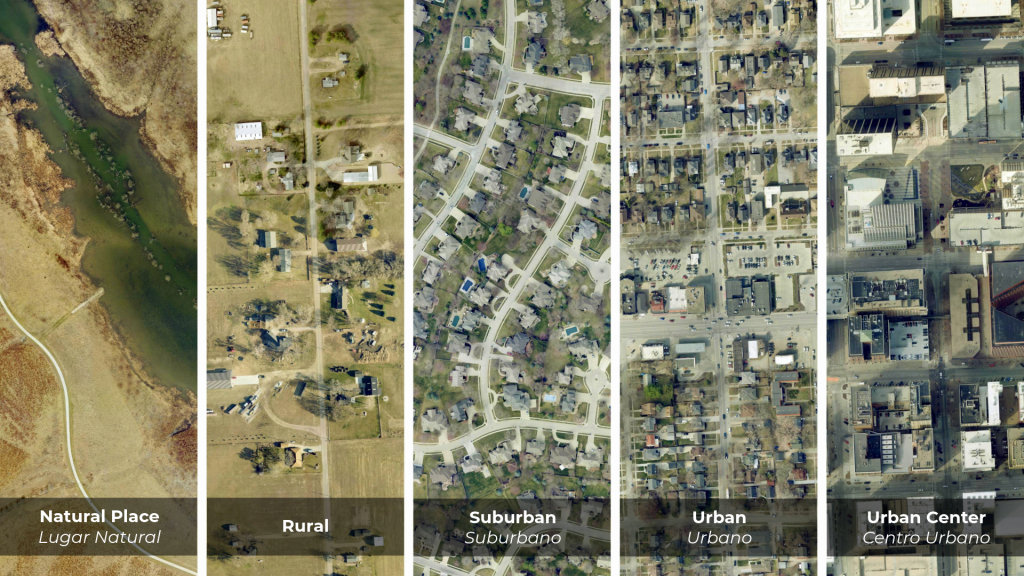
As urban populations swell and economic activities push beyond traditional city limits, farm land commercial opportunities are gaining momentum. For investors and landowners alike, the prospect of rural land investment evolving into commercial zones within a decade offers a compelling way to increase property value and participate in dynamic land development trends. This transition from agricultural to commercial use is not merely about rising land prices; it reflects deeper shifts in demographics, infrastructure, and market needs that redefine rural landscapes.
The farm to commercial land transition is largely driven by urban expansion into rural areas, prompting reevaluation of land use. Parcels once dedicated solely to farming are emerging as potential sites for commercial centers, industrial parks, and retail hubs. Successfully navigating this shift requires understanding zoning adjustments, environmental considerations, and how commercial real estate rural areas integrate with local communities. For those exploring rural land for sale, grasping these dynamics is essential to spotting genuine land investment opportunities aligned with sustainable growth rather than speculative trends.
Recognizing how rural areas gradually merge with metropolitan influences is key to embracing these opportunities. By monitoring land development trends and urban expansion rural areas, investors can position themselves to benefit from the farm to commercial land transition. Whether buying, selling, or investing, the evolving rural landscape offers a promising frontier where strategic decisions today can yield substantial rewards over the next ten years.
Key Cities Where Farm and Rural Lands Are Becoming Commercial Hotspots

Several cities stand out as prime examples where farm land commercial opportunities are unfolding now. Austin, Texas, is a notable case where rapid population growth and a thriving tech sector are pushing the city’s boundaries outward. Agricultural land on Austin’s outskirts is increasingly eyed for commercial development, marking a clear farm to commercial land transition.
Similarly, Nashville, Tennessee, is experiencing suburban expansion that fuels demand for commercial real estate rural areas. This trend drives the conversion of rural parcels into mixed-use commercial zones, catering to growing retail and office space needs. Boise, Idaho, offers another example, where an influx of new residents reshapes the rural-urban fringe, creating early-stage commercial land investment opportunities.
In the Midwest, Omaha, Nebraska illustrates how smaller urban centers contribute to farm to commercial land transitions. Economic diversification and improved infrastructure connect rural land with expanding city markets, making rural land investment increasingly attractive.
- Austin, TX: Tech growth and urban sprawl drive farm to commercial land transition.
- Nashville, TN: Suburban expansion fuels demand for commercial real estate rural areas.
- Boise, ID: Population influx accelerates land development trends toward commercial use.
- Omaha, NE: Economic diversification supports rural land investment and development.
Historical Examples of Rural-to-Commercial Land Transitions
The evolution of farm and rural lands into commercial hubs is a well-established pattern linked to economic growth and urban sprawl. The Chicago suburbs in the mid-20th century provide a classic example: agricultural fields gradually transformed into sprawling commercial districts, shopping centers, and industrial parks. These historical land development examples continue to inform how rural land can evolve into commercial real estate rural areas today.
Silicon Valley, California, offers a compelling case where orchards and vineyards gave way to a global technology center over a few decades. This farm to commercial land transition was fueled by economic shifts, infrastructure investments, and soaring demand for commercial spaces—setting a powerful precedent for rural lands adjacent to expanding urban centers.
More recently, the outskirts of Atlanta, Georgia, have experienced rapid rural-to-commercial shifts. Highway expansions and population growth have transformed farmland into bustling commercial corridors, illustrating how infrastructure improvements can unlock commercial real estate rural areas on a realistic timeline.
- Chicago Suburbs (1950s-70s): Agricultural lands evolved into retail and industrial hubs alongside urban growth.
- Silicon Valley, CA (1970s-2000s): Orchards transformed into a major commercial and technology center.
- Atlanta Outskirts, GA (2000s-present): Rural farmland transitioning to commercial corridors due to infrastructure and population growth.
Factors Driving the Shift: Urban Expansion, Infrastructure, and Demand
Several forces converge to drive the shift from farm and rural land to commercial real estate rural areas, making this transition feasible within the next decade. Foremost is urban expansion: as cities like Austin and Boise grow, they push boundaries outward, increasing demand for land formerly used for agriculture.
Infrastructure development acts as a critical catalyst. Upgrades in transportation, utilities, and broadband connectivity make rural sites accessible and attractive for commercial projects. These improvements lower barriers for developers and investors, enhancing rural land investment prospects.
Market demand also plays a vital role. Businesses seek cost-effective locations with room to grow, while consumers prefer amenities closer to suburban and rural communities. This evolving demand supports the trend toward commercial real estate rural areas and encourages landowners to consider transitioning their properties.
Finally, the availability of rural land for sale—often from farmers and landowners open to selling—is essential to supply the market with parcels primed for commercial development.
- Urban Expansion: Rapid growth in cities like Austin, TX and Boise, ID extends commercial footprints into rural areas.
- Infrastructure Development: Investments in roads, utilities, and connectivity enhance land viability.
- Market Demand: Rising business and consumer needs for suburban commercial spaces drive land use changes.
- Availability of Rural Land for Sale: Landowners increasingly offer parcels suited for commercial transition.
Opportunities for Land Buyers, Sellers, and Investors
The next decade offers a unique window for those interested in farm land commercial opportunities. Buyers can find significant value in rural land for sale near expanding urban centers. Such properties, often overlooked due to agricultural zoning, can appreciate substantially as land use policies evolve to support commercial development. Early identification of these parcels provides negotiating advantages and potential for strong returns.
Sellers stand to benefit from growing demand for land investment opportunities that bridge rural tranquility with commercial accessibility. As municipalities update plans and invest in infrastructure, rural landowners may see their properties transition into lucrative commercial assets. Timing sales to coincide with these developments is key to maximizing value.
Investors should adopt a strategic, research-based approach. Farm land commercial opportunities depend heavily on urban expansion pace and infrastructure readiness. Identifying emerging markets where rural land for sale aligns with planned industrial, logistics, or retail projects can enhance portfolio growth. Patience and a forward-looking perspective help navigate the complexities of the farm to commercial land transition.
Assess proximity to growing metropolitan areas to maximize appreciation potential.; Monitor local zoning and land use plans for signs of commercial reclassification.; Evaluate infrastructure projects that improve land accessibility and utility.; Analyze market demand for commercial real estate rural areas in the region.; Consult local planning authorities and real estate experts before committing to purchase or sale.
Risks and Considerations Before Investing in Rural Commercial Land
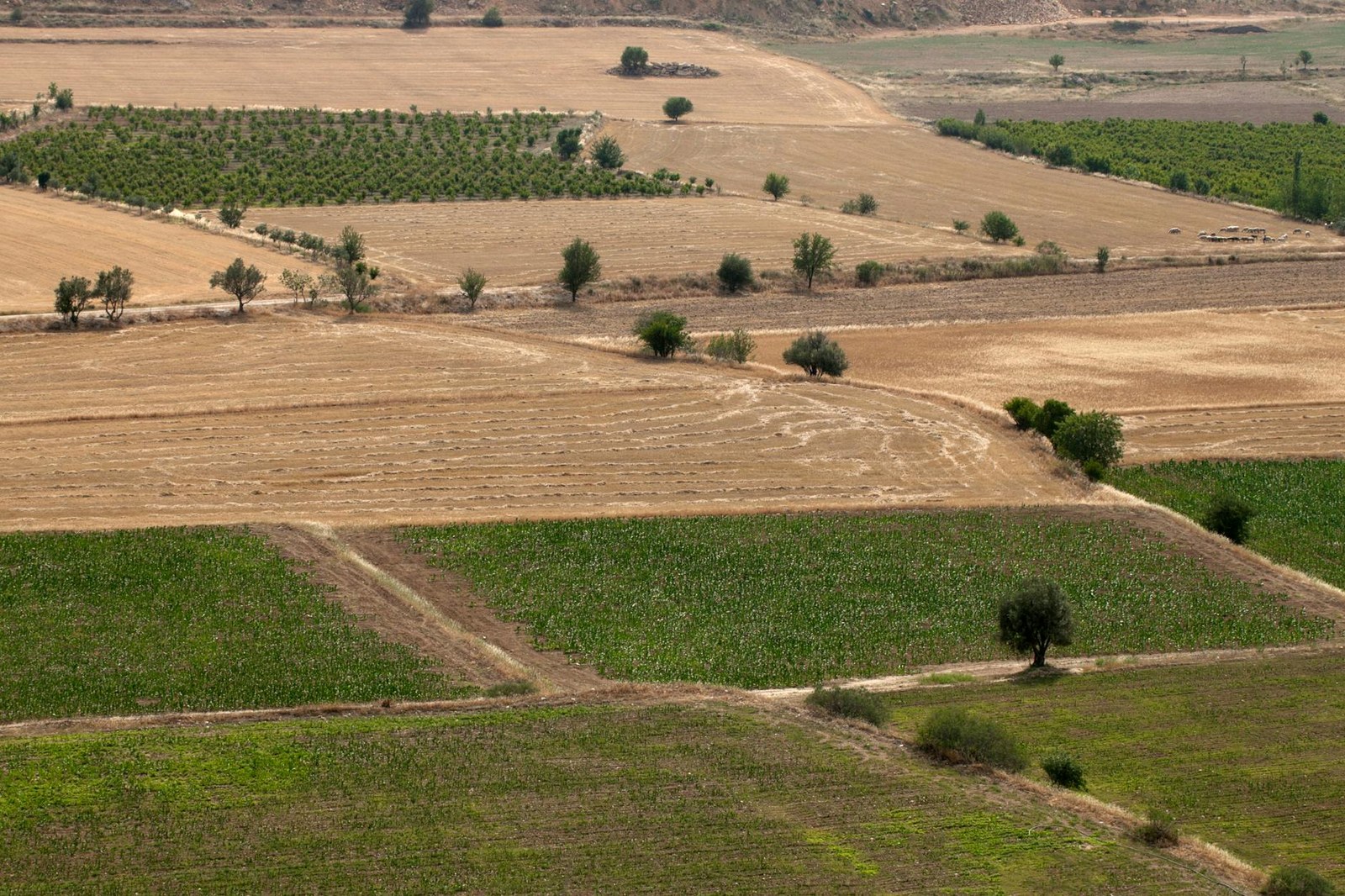
While farm land commercial opportunities are promising, they come with risks and important considerations. Urban expansion can be unpredictable; economic cycles, infrastructure funding changes, or regulatory shifts may delay or divert growth, impacting the timing and viability of land transitioning to commercial use.
Zoning and land use restrictions pose another challenge. Many rural lands remain under agricultural zoning, limiting immediate commercial development until reclassification occurs. This process often involves navigating local government approvals, environmental assessments, and community plans, which can cause delays and added costs.
Market volatility also affects land investment opportunities. Commercial real estate rural areas’ prices fluctuate with demand, interest rates, and broader economic conditions. Overpaying based on optimistic projections is a common pitfall. Careful due diligence, patience, and expert consultation are essential for sound decisions.
Infrastructure timelines are equally vital, as road expansions and utility extensions often dictate when rural land can successfully transition to commercial use.
Confirm current zoning status and any pending reclassification applications.; Research long-term urban expansion and infrastructure plans for the area.; Evaluate economic health and growth trends of the nearest urban center.; Consider environmental or topographical constraints affecting development.; Seek advice from land use planners, commercial real estate specialists, and local authorities to clarify risks and timelines.
How LotFox Can Help You Navigate These Emerging Opportunities
Navigating farm land commercial opportunities amid rapid urban expansion can be complex. LotFox serves as a trusted partner, offering tailored insights and up-to-date listings of rural land for sale situated near growing metropolitan fringes—areas ripe for commercial development within the next decade.
Beyond property listings, LotFox provides context by drawing on historical land development examples. Understanding how regions like Silicon Valley and Chicago’s suburbs transitioned from farmland to commercial hubs offers a roadmap grounded in real-world success. This perspective enables informed decision-making, better timing, and early identification of emerging hotspots.
LotFox equips buyers, sellers, and investors with tools and resources for clarity and confidence. Whether seeking promising rural land investment or aiming to capitalize on rising demand driven by urban expansion rural areas, our platform supports your goals through transparent data, expert guidance, and connections to local professionals. We help you anticipate market shifts and navigate regulatory landscapes, ensuring you are well-prepared to seize farm land commercial opportunities as they arise.
Conclusion: Planning for the Next 10 Years in Farm and Rural Land Commercialization
Looking ahead, planning for farm and rural land commercialization requires balancing optimism with practical insight. The promise of farm land commercial opportunities is strong, especially in regions where urban expansion actively reshapes landscapes. However, successful rural land investment depends on understanding local market conditions, infrastructure development, and community planning.
Historical land development examples provide valuable lessons. The transformation of farmland around Chicago and the rise of Silicon Valley illustrate how patient, informed investment combined with strategic infrastructure improvements can unlock tremendous value. These stories show that while the farm to commercial land transition takes time, it often follows predictable patterns driven by economic growth and urban demand.
Ultimately, success lies in continuous research, staying informed about zoning changes, and maintaining close communication with local planning authorities. Preparing for the next decade means not only identifying promising parcels but also understanding the broader economic and regulatory environment shaping their future. With deliberate planning and a grounded perspective, investors and landowners can confidently participate in the ongoing evolution of rural lands into vibrant commercial spaces.
Explore available farm and rural land listings on LotFox to capitalize on emerging commercial opportunities today!
0 comments