
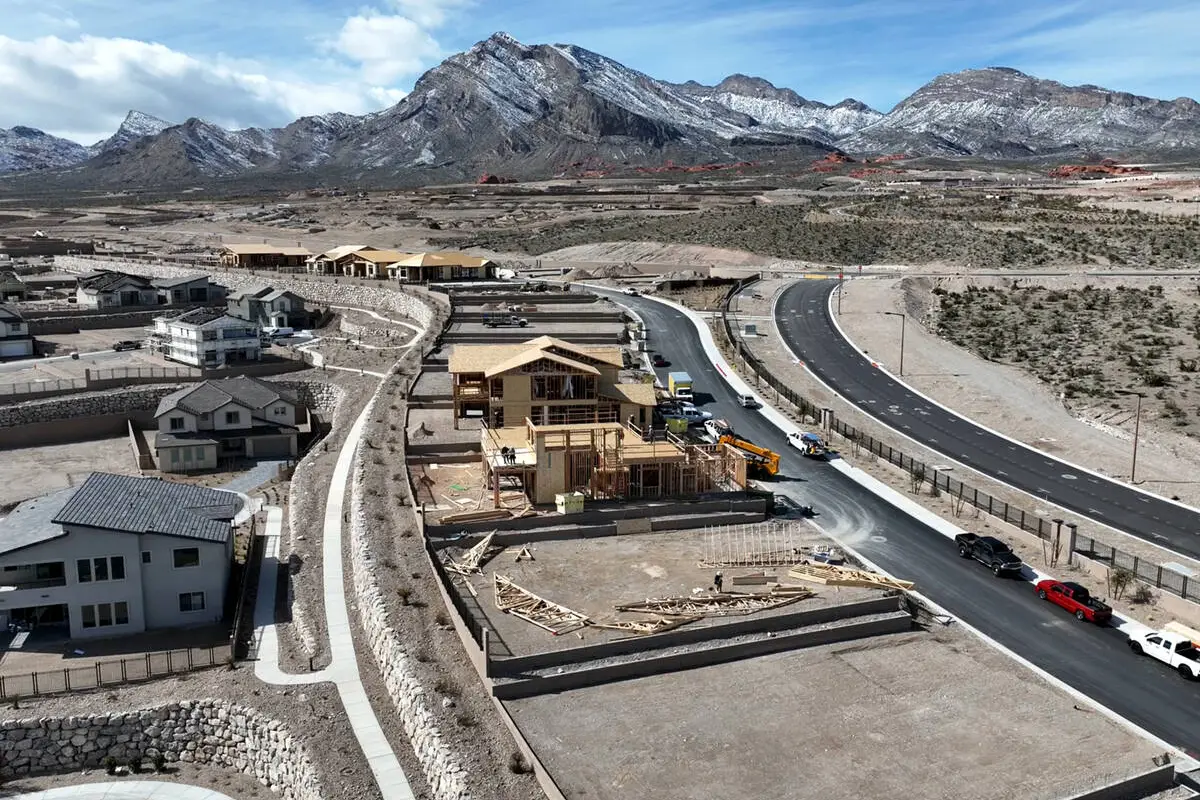
Las Vegas Land Sales & Development: What Buyers, Sellers, and Investors Need to Know
The Las Vegas land market is in a dynamic phase, shaped by steady developer interest alongside shifting buyer behavior. While overall buyer demand has slowed, developers remain actively acquiring land for residential projects, especially in the luxury segment. Understanding this evolving landscape means looking beyond immediate sales figures to the broader economic, demographic, and infrastructural factors influencing development decisions.
Developers are strategically securing land with an eye on long-term trends, anticipating growth that will enhance property values and meet the expectations of high-end buyers seeking exclusivity and quality craftsmanship. For buyers, sellers, and investors, navigating this environment requires a deep dive into zoning regulations, location appeal, and community plans to identify opportunities and mitigate risks. Luxury residential projects typically involve longer timelines, which affects how land parcels are valued and traded today.
Current Market Dynamics: Developer Activity Amid Slowing Buyer Demand
Despite a slowdown in buyer demand across the Las Vegas Valley, developers continue purchasing residential land at a robust pace. This apparent contradiction arises from a strategic outlook: developers view the current market as an opportunity to position themselves for a future rebound in demand, especially for quality homes in the luxury segment.
Rather than reacting solely to immediate sales data, developers analyze population growth, employment trends, and infrastructure projects to gauge where the market is heading. This foresight explains why land parcels remain in demand despite slower sales from end buyers.
For prospective buyers, sellers, and investors, appreciating this dynamic is crucial. Rushing into transactions without thorough due diligence—such as confirming zoning, utility access, and community plans—can lead to costly mistakes or misaligned expectations. Understanding that developer activity is driven by strategic positioning rather than short-term buyer enthusiasm offers clarity to approach Las Vegas land sales with balanced patience and informed action.
Focus on Luxury Residential Projects: The Driving Force Behind Land Purchases
Luxury residential projects lead land purchases in the Las Vegas Valley for several reasons. Developers recognize that luxury homes yield higher profit margins and attract a resilient buyer segment capable of withstanding broader market slowdowns. Buyers in this tier seek exclusivity, custom designs, prime locations, and amenities, influencing developers to select parcels offering strong views, privacy, and easy access to lifestyle hubs.
Demographic trends support this focus: affluent professionals, retirees, and second-home buyers are drawn to Las Vegas’s entertainment, golf courses, schools, and improving infrastructure. Developers anticipate continued demand from these groups, making luxury projects a sustainable long-term investment.
Investing in luxury residential land requires diligent review of zoning restrictions, utility availability, and community guidelines. Overlooking these details can delay projects and increase costs. Developers also carefully time new construction to match buyer demand, avoiding oversupply. This blend of opportunity and resilience explains why luxury homes remain central to land acquisition strategies in the valley.
Opportunities for Land Buyers: Key Considerations When Buying in Las Vegas
Purchasing land in the Las Vegas Valley demands careful evaluation beyond what’s typical for buying finished homes. Confirm zoning regulations and land-use restrictions early, as they determine the types of development allowed. For example, some parcels permit only single-family homes, while others allow multifamily or mixed-use projects, which drastically affects investment potential.
Access to infrastructure is critical. Assess availability and capacity of water, electricity, sewage, and internet services. In this desert environment, reliable water access can be decisive. Also, consider proximity to roads and public transit, as expensive utility extensions or road improvements can inflate costs and delay timelines.
Location is paramount, especially for luxury developments. Investigate neighborhood plans, schools, amenities, and long-term growth prospects. Developers prioritize parcels with scenic views, privacy, and convenient access to entertainment and lifestyle centers. Reviewing local master plans and infrastructure projects helps uncover hidden opportunities or risks.
Patience and timing are essential. The land market may fluctuate, so avoid rushing without clear goals and a strong understanding of the market. Engage local experts—planners, surveyors, real estate professionals—who can validate your assumptions and help you avoid common pitfalls.
Selling Land in Las Vegas: Strategies to Attract Developers and Buyers
Selling land to developers in Las Vegas requires more than listing your property. Understand what developers prioritize: prime location, zoning flexibility, and ready access to utilities. Highlight these attributes in your marketing to make your parcel stand out. Features like views, privacy, and proximity to amenities are especially attractive for luxury home projects.
Before listing, gather essential documentation—zoning classifications, development restrictions, and utility hookups. Having this information readily available builds trust and speeds up due diligence for buyers. Developers often act quickly when the right opportunity arises, so minimizing uncertainties gives your property a competitive edge.
Pricing is also critical. Overpricing discourages interest, especially in a market with slowing buyer demand. Collaborate with local real estate professionals experienced in Las Vegas land sales for realistic valuations based on recent comparable sales and development potential. Be open to negotiations and flexible terms, as accommodating developer timelines or offering incentives can facilitate a successful sale.
Patience and preparation are key. Selling land to developers—particularly for luxury projects—may take time. Present your property as a well-understood, development-ready opportunity and work with knowledgeable agents to attract serious buyers who see its long-term value.
Investment Insights: Evaluating Land as a Real Estate Investment in Las Vegas
Investing in land in the Las Vegas Valley requires balancing opportunity with caution. Unlike finished homes, land carries unique risks and rewards that depend heavily on location, zoning, infrastructure, and long-term market trends. Successful investors look beyond surface factors to understand what truly drives value.
Consider the land’s intended use carefully. For luxury residential projects, parcels must meet high-end development standards—adequate size, favorable topography, and utility access. Confirm zoning and any community restrictions to avoid costly surprises. For example, a parcel zoned for single-family homes near expanding commercial zones might face future challenges or opportunities affecting its value.
Market timing and patience are crucial. The Las Vegas land market can fluctuate with economic shifts. Investors who move too quickly risk overpaying or holding undeveloped land longer than expected. Consulting local experts and monitoring infrastructure projects and demographic changes provides valuable insight to guide investment decisions.
In summary, a strategic, data-informed approach—focusing on zoning, infrastructure, location quality, and timing—positions investors to capitalize on Las Vegas’s ongoing development, especially in the luxury home sector, while managing risks effectively.
Future Outlook: What Lies Ahead for Land Sales and Development in Las Vegas
Looking forward, land sales and development in the Las Vegas Valley are expected to continue with cautious optimism. Developers will likely maintain interest in residential land—particularly for luxury homes—while placing greater emphasis on due diligence and market timing.
Buyer demand may moderate short-term, but long-term fundamentals like population growth, infrastructure investments, and lifestyle appeal position Las Vegas for sustained development. Developers are expected to be more selective, focusing on parcels with strategic location, zoning flexibility, and infrastructure readiness to mitigate risks.
The luxury residential segment will remain a key driver. Developers anticipate ongoing demand for high-end, custom homes with access to amenities and privacy. Success will depend on aligning development timelines with market conditions and buyer preferences, requiring patience and strategic planning.
Ultimately, future opportunities favor those approaching land sales and development with a long-term mindset backed by thorough analysis and local expertise. Buyers, sellers, and investors who understand these nuances will be better positioned to benefit from the valley’s growth and transformation.
Conclusion: Key Takeaways for Buyers, Sellers, and Investors
Navigating the Las Vegas land market today means understanding steady developer activity amid shifting buyer dynamics, especially in the luxury residential segment. Buyers should conduct thorough due diligence—confirming zoning, infrastructure access, and neighborhood plans—to align purchases with their goals and reduce risk. Patience and expert guidance are essential to avoid costly mistakes.
Sellers aiming to attract developers must present well-documented, development-ready parcels emphasizing location advantages, zoning flexibility, and utility availability. Realistic pricing and openness to negotiation enhance appeal, particularly for luxury home developers. Partnering with experienced local agents can streamline the process and highlight your land’s potential.
Investors should balance opportunity and risk by focusing on parcels suited for luxury projects with strong growth prospects and timing investments according to market trends. Monitoring demographic shifts and infrastructure developments is vital to stay ahead in this evolving market.
In short, success in Las Vegas land sales and development hinges on informed decisions, careful planning, and leveraging local expertise. The luxury home market remains a key driver, and those who approach the market with patience and insight can benefit as the Las Vegas Valley continues to grow and transform.
0 comments