
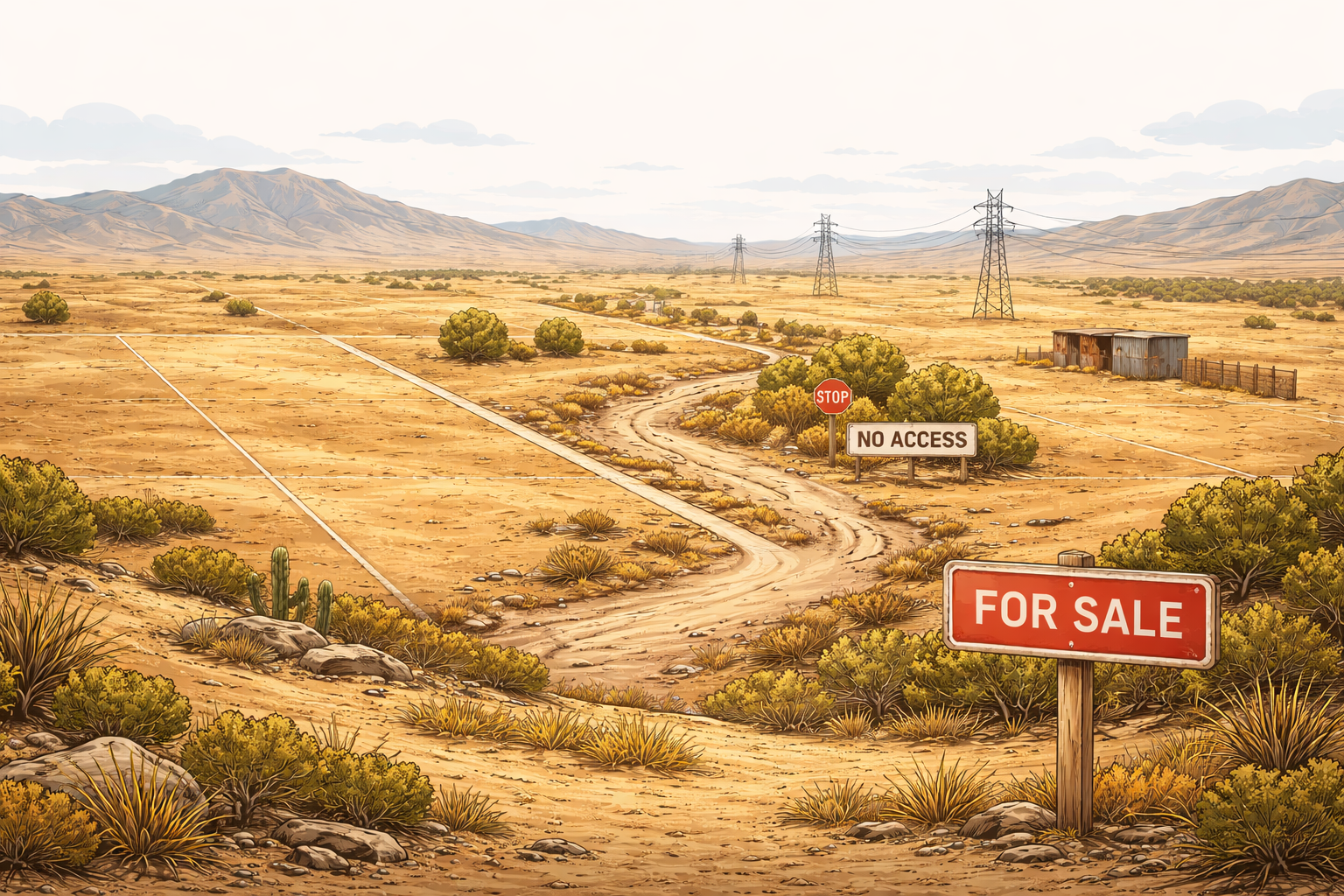
The 5 Fastest Ways to Rule Out a Bad Land Deal Before You Waste a Week
Purchasing raw land can be one of the most rewarding real estate investments—if you do your homework. But the sheer variety of pitfalls means a seemingly perfect parcel can quickly become a costly mistake. Savvy buyers know that early-stage due diligence is key to avoiding wasted time, money, and frustration. Before you dive deep into inspections and negotiations, here are the five fastest ways to screen out bad land deals.
1. Confirm Legal Access to the Property
It sounds simple, but lack of legal access is one of the most common deal-killers. Verify whether the parcel has a legal right-of-way via public roads or recorded easements. A landlocked property without legal ingress and egress can be nearly impossible to develop or resell.
- Check county plat maps and deed records for access roads or easements.
- Contact the local county planning or assessor’s office to confirm.
- Beware of informal or unrecorded access arrangements—they can vanish overnight.
2. Evaluate Flood Risk and Environmental Constraints
Flood zones, wetlands, and other environmental restrictions can impose costly development limitations or make the land worthless for your intended use.
- Consult FEMA flood maps to identify floodplain status.
- Review local environmental regulations and protected area designations.
- Consider engaging a preliminary environmental site assessment if concerns arise.
3. Check Zoning and Land Use Compatibility
Even if the land looks perfect, zoning regulations can dictate what you can and cannot build. Confirm your intended use aligns with current zoning or if variances are realistically obtainable.
- Search the local municipality’s zoning ordinance or online GIS tools.
- Speak with planning department officials to clarify permitted uses.
- Identify potential limitations like minimum lot sizes, setbacks, or use restrictions.
4. Investigate Title and Ownership Issues
A clean title is the foundation of any sound land purchase. Quickly scanning for clouded titles, liens, or disputed ownership can save you from expensive legal battles.
- Review public county title records or order a preliminary title report.
- Look for recorded liens, easements, or judgments.
- Confirm that the seller has clear and marketable title to convey.
5. Anticipate Hidden Development Costs
Raw land often hides expensive surprises like expensive soil conditions, utility hookups, or required infrastructure improvements. Surfacing these early helps you avoid deals that are financially impractical.
- Research availability and cost of utilities—water, electricity, sewer.
- Assess terrain challenges like rocky soil or steep slopes.
- Check if road improvements or permits will be costly or complicated.
Summary Checklist: Fast Screening Before You Dig Deeper
- Confirm legal road access or easements
- Assess flood risk and environmental restrictions
- Verify zoning fits intended use
- Review public title records for liens or disputes
- Estimate major hidden development costs early
Performing these five fast screening steps enables you to quickly eliminate bad land deals without wasting a week or more on needless inspections and negotiations. With these fundamentals covered, you can confidently dig deeper into your top candidates and invest your time where it counts.
0 comments